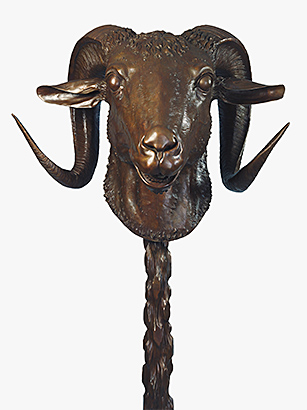
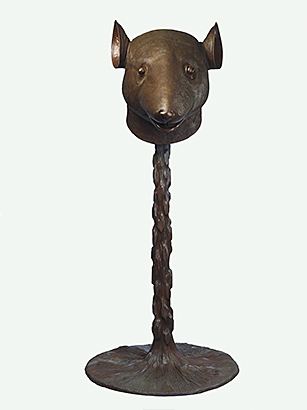
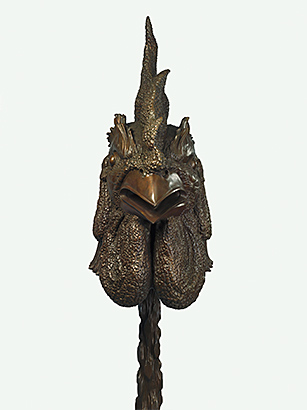
Circle of Animals
May 9, 2015 - January 3, 2016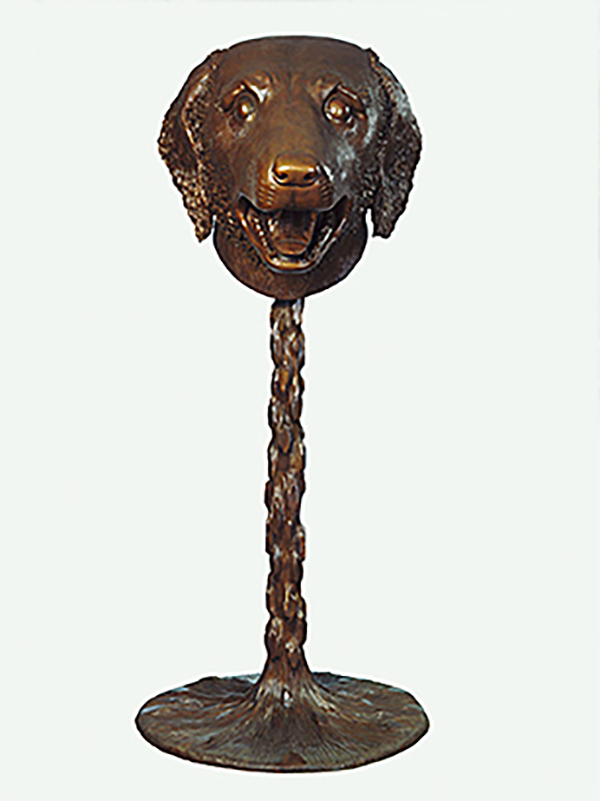
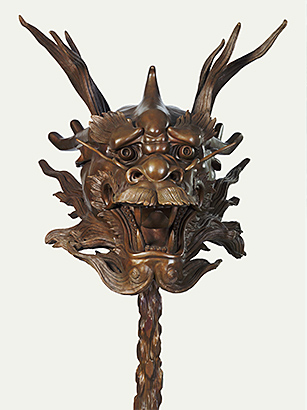
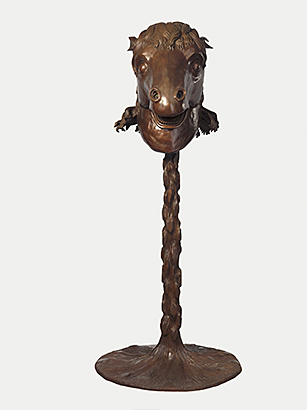
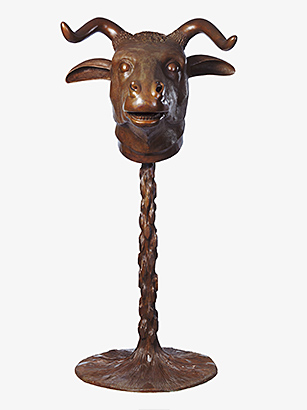
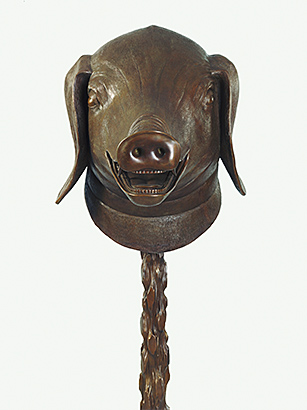
Internationally acclaimed Chinese contemporary artist Ai Weiwei has reinterpreted the 12 bronze animal heads representing the traditional Chinese zodiac animals that once adorned the famed fountain-clock of the Yuanming Yuan, an imperial retreat in Beijing. The National Museum of Wildlife Art is honored to be bringing Ai Weiwei’s Zodiac Head World Tour to Wyoming after exhibitions in Mexico City, Chicago, London, Toronto, New York, Washington, DC, and Los Angeles.
Designed in the 18th century by two European Jesuit priests serving in the court of the Qing-dynasty Emperor Qianlong, the 12 Chinese zodiac animals originally functioned as parts of a water clock-fountain sited in the magnificent, European-style gardens of the Yuanming Yuan. In 1860, the Yuanming Yuan was ransacked by French and British troops, and the heads were pillaged. In reinterpreting these objects on an oversize scale, Ai Weiwei focuses attention on questions of looting and repatriation, while extending his ongoing exploration of the “fake” and the copy in relation to the original.