Western Visions® 2024
September 7, 2024 - September 29, 2024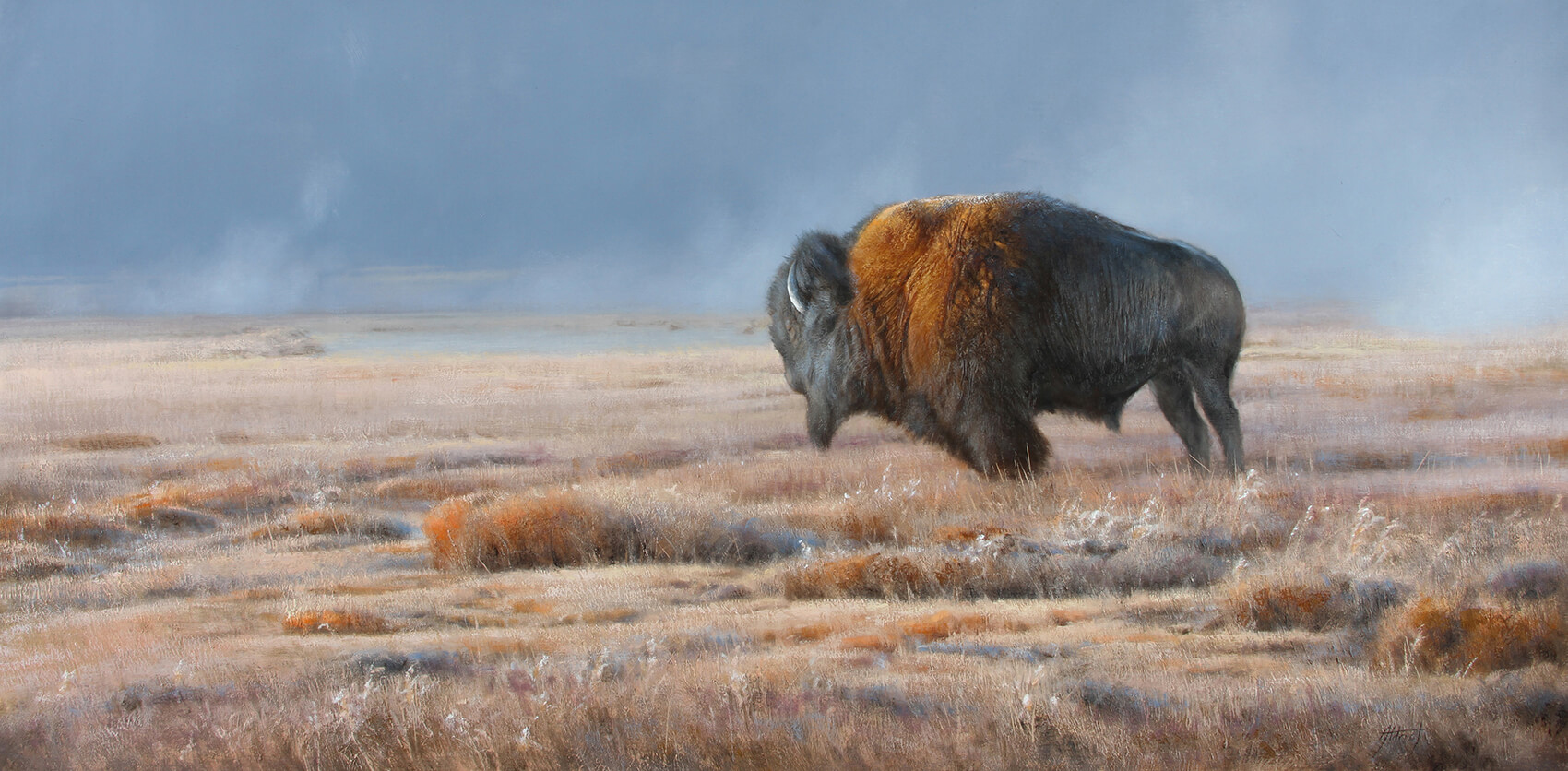
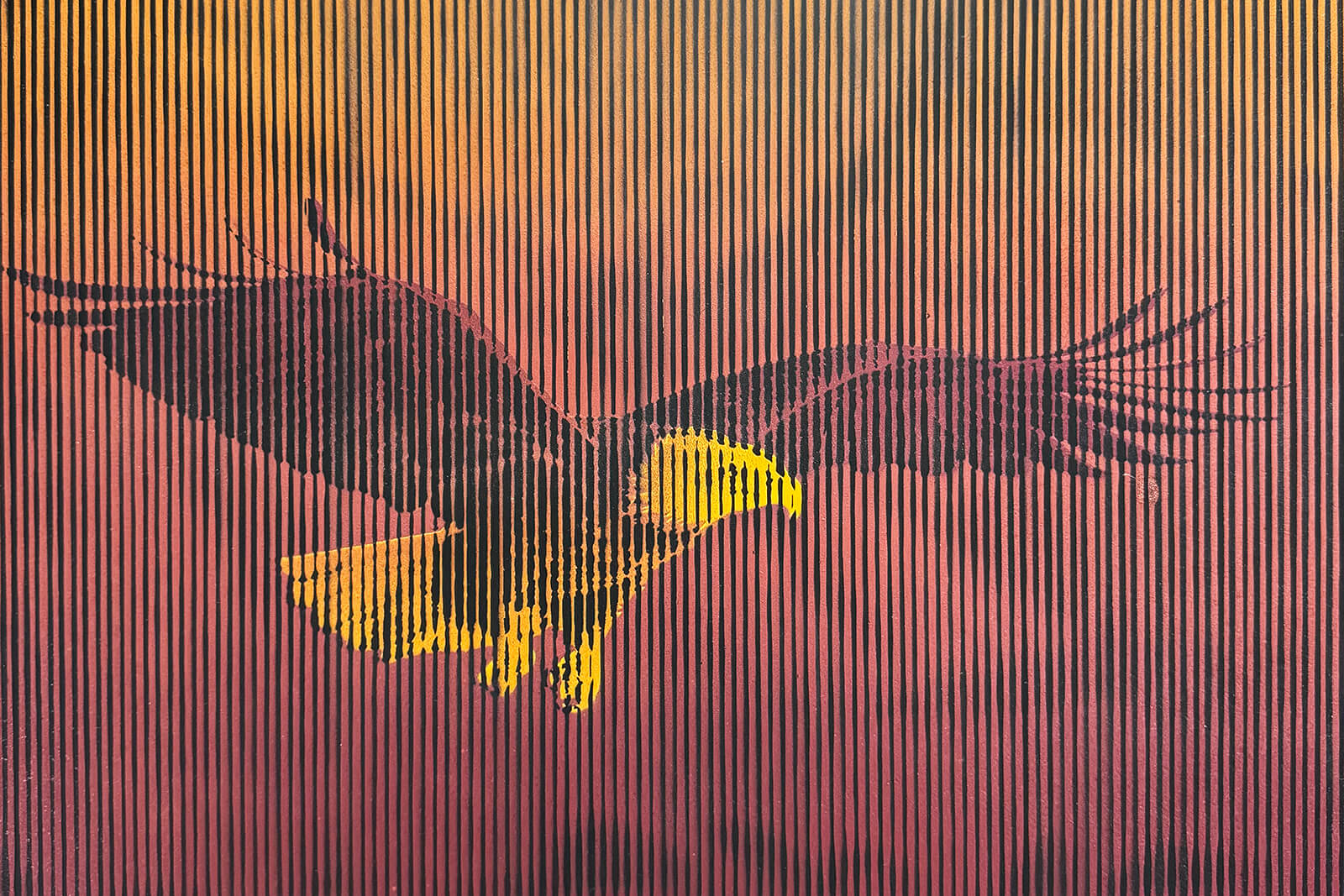

Top contemporary wildlife artists and collectors from around the world will come together at the Museum for the annual Western Visions Art Show + Sale. The show features a wide selection of art for sale and this fundraiser supports numerous programs at the Museum. The week’s events, offered at the Museum’s award-winning facility across from the National Elk Refuge, draw an international crowd to this critically acclaimed gathering. During Fall Arts Festival (and year-round), the Museum is a hub for art lovers, wildlife and outdoor enthusiasts, and more. This year’s sale includes over 170 artists, with 140 in the small format and 32 artists in the large format intent-to-purchase sale. The Western Visions exhibition will be on view from September 7 through September 29. The evening Show + Sale will take place on Thursday, September 12.
There are three ways to participate in this year’s sale:
In-person
Come visit us at the National Museum of Wildlife Art and see the works up close and personal!
Online
Access to the “intent to purchase” entries will be available online here.
Proxy
Unable to participate in person or online? Participate by proxy!
For more information and to purchase tickets, click here!





- 1
- 2
- 3
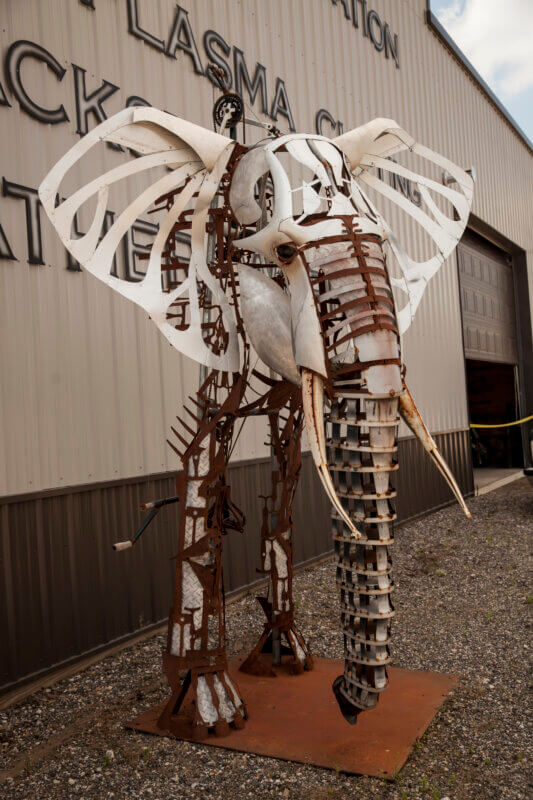
Art in Motion: Kinetic Sculpture with Ivan Iler
Through October 4, 2026“Art in Motion: Kinetic Sculpture with Ivan Iler” is a an exhibition that will activate both the indoor and outdoor Museum spaces, bringing movement, engineering, and imagination together through large-scale kinetic sculpture.
See the Exhibit

- 1
- 2
- 3
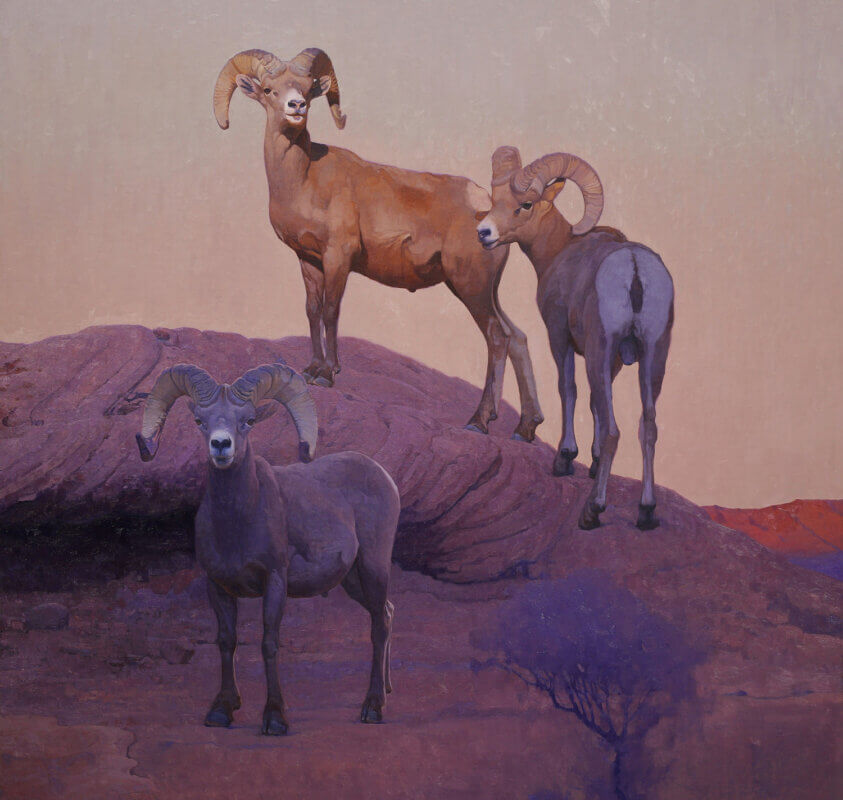
Western Visions® 2026
Through September 27, 2026Western Visions® is the National Museum of Wildlife Art’s largest and longest-running fundraiser and is one of the signature events of the Jackson Hole Fall Arts Festival.
See the Exhibit